Criminal Defense
Arrested in North Carolina: Do I Need a Lawyer?
Yes. If you have been arrested in North Carolina, you should request a criminal defense attorney as soon as possible, preferably before answering questions about the alleged offense. An attorney can help protect your constitutional rights, explain the charges, and guide you through important decisions involving bond, evidence, and court appearances.
At Frasier & Griffin, PLLC, our criminal defense attorneys represent individuals facing state and federal criminal charges throughout Durham, Raleigh, and surrounding North Carolina communities. Whether you are under investigation, have been arrested, or are helping a loved one in custody, seeking legal guidance early can make an important difference.
Need legal assistance? Call 919-205-2258 or contact Frasier & Griffin online to request an urgent consultation.
Legal Representation
When Should You Ask for a Lawyer After an Arrest?
You should request an attorney as soon as law enforcement begins questioning you about suspected criminal activity, particularly if you have been detained or arrested.
You do not have to wait until formal charges are filed. If officers want to question you about a crime, clearly state that you want legal representation before discussing the allegations.
Requesting an attorney can help prevent misunderstandings, protect you during questioning, and ensure you understand your available legal options. Our criminal defense attorneys assist clients facing DWI, drug charges, assault, firearm offenses, serious felonies, and other criminal allegations.
Your Rights
What Are Your Miranda Rights in North Carolina?
Miranda rights protect individuals during custodial interrogation. Before questioning someone in custody, law enforcement generally must explain certain constitutional protections, including the right to remain silent, that statements may be used against the individual, and the right to an attorney during questioning.
However, officers are not required to read Miranda warnings simply because someone has been arrested. The requirement generally applies before custodial interrogation.
If police never read your Miranda rights, your charges are not automatically dismissed. Statements obtained in violation of Miranda may be excluded from the prosecution's case, depending on the circumstances.
If you are questioned, clearly state: "I am exercising my right to remain silent, and I want an attorney."
State and Federal Law
What Are the Differences Between State and Federal Arrests?
North Carolina state arrests generally involve local law enforcement, county prosecutors, and proceedings in District Court or Superior Court. Charges may include DWI, assault, drug possession, theft, and other violations of state law.
Federal arrests involve alleged violations of federal law and may be investigated by agencies such as the FBI, DEA, or ATF. Federal defendants generally appear before a U.S. magistrate judge for initial proceedings, with prosecution handled by the United States Attorney's Office.
Federal cases involve different procedural rules, discovery requirements, and sentencing considerations. If federal agents contact or arrest you, seek assistance from an attorney experienced in federal criminal defense.
In both systems, obtaining legal guidance early can help you understand your rights and prepare for upcoming proceedings.

Court-Appointed Counsel
How Do You Request a Court-Appointed Lawyer in North Carolina?
If you cannot afford private legal representation, you may qualify for a court-appointed attorney.
For North Carolina state criminal cases: Tell the judge or appropriate court official that you want an attorney but cannot afford one. You will generally need to complete an affidavit of indigency detailing your income, assets, expenses, and financial circumstances. The court determines eligibility based on your financial situation and the type of proceeding.
For federal criminal cases: Inform the federal magistrate judge that you cannot afford representation. You may be asked to complete Form CJA-23, a financial affidavit used to evaluate eligibility. If you qualify, the court may appoint a federal public defender or an attorney from the Criminal Justice Act panel.
Not every charge qualifies for appointed counsel, and financial eligibility is determined by the court. If you are uncertain about the process, ask court personnel how to request representation.
Arrest Guidance
What Are the First Five Steps to Take After Being Arrested?
If you or a family member has been arrested in North Carolina, follow this immediate checklist:
-
Remain silent: Avoid discussing the alleged offense with investigators. Provide legally required identifying information and clearly exercise your right to remain silent.
-
Request an attorney: Tell officers that you want a lawyer before answering investigative questions. Do not resist arrest or physically interfere with officers.
-
Document important details: When safe and possible, record the arrest location, time, officer names or badge numbers, and potential witness information.
-
Contact a trusted family member: Ask someone you trust to help locate your detention facility, obtain court information, and contact a criminal defense attorney.
-
Request court-appointed counsel if needed: If you cannot afford private representation, inform the appropriate judge or court official and complete the required financial eligibility paperwork.
Preserve relevant documents, photographs, and messages. Avoid discussing the allegations on social media or with individuals other than your attorney.
Our Attorneys
Experienced North Carolina Criminal Defense Attorneys
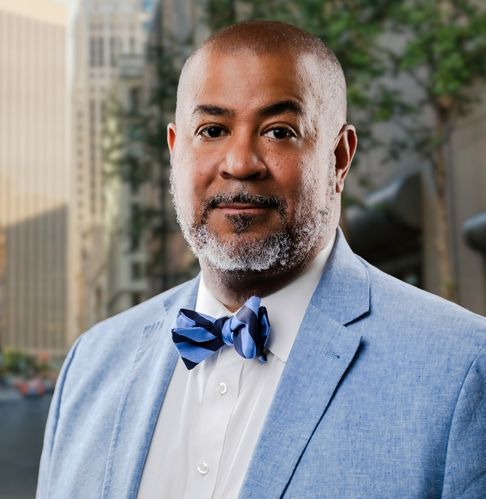
Frasier & Griffin's founding attorneys bring decades of criminal litigation experience to clients throughout Durham and Raleigh.
Managing partner and founding attorney, has practiced law since 1996 and handles criminal defense and litigation matters. He has received Super Lawyers recognition and holds a 9.0 Superb Avvo rating. His Avvo profile includes five peer endorsements, with attorney Maria Singleton recognizing his integrity and professionalism and Reggie McKnight praising his criminal defense and trial experience.
View Ralph K. Frasier, Jr.'s Avvo Profile
Also known as Randy Griffin, has practiced law since 1998. A former assistant district attorney, he represents clients in criminal defense, DWI, and traffic matters. He holds a 9.5 Superb Avvo rating, and his Avvo endorsements include recognition from Lawrence Campbell for his knowledge of North Carolina court procedures and Andrew Dickens for his ability to explain complex legal issues clearly.
View John R. Griffin III's Avvo Profile
Client Testimonials
What Do Clients Say About Frasier & Griffin?
Client reviews provide additional insight into the firm's communication, professionalism, and approach to representation.
Contact Us
Need a Criminal Defense Lawyer Now? Contact Frasier & Griffin
If you have been arrested in North Carolina, are being questioned by investigators, or have an upcoming criminal court appearance, contact Frasier & Griffin to discuss your legal options.
Our attorneys serve clients throughout Durham, Raleigh, and surrounding North Carolina communities. We offer in-person consultations and can accommodate phone or Zoom appointments when necessary.
Phone: 919-205-2258
Durham Office: 100 East Parrish Street, Suite 350, Durham, NC 27701
Raleigh Office: 4400 Falls of Neuse Road, Suite 102, Raleigh, NC 27609
Call 919-205-2258 to request urgent legal assistance, or submit a consultation request online at any time, including nights and weekends.
Online requests can be submitted 24/7; however, immediate responses and round-the-clock attorney availability are not guaranteed. Contact our office directly to confirm the earliest available phone, Zoom, or in-person consultation.
Legal Disclaimer: This content provides general legal information and is not a substitute for advice about your particular circumstances. Contacting the firm does not automatically establish an attorney-client relationship. Client testimonials and professional endorsements do not guarantee similar experiences or case outcomes.