Drug Charge
What Happens After A Drug Arrest In North Carolina?
A drug arrest can turn your world upside down in a matter of minutes. One moment you're going about your day, and the next you're facing questions about bond, court dates, and what your future might look like. If you or someone you love has recently been arrested on drug-related charges, understanding the North Carolina criminal process can help you make informed decisions during a stressful time. Frasier & Griffin assists clients facing drug charges throughout North Carolina, and this guide walks through what typically happens after an arrest so you know what to expect.
Whether you're working with a drug charges lawyer for the first time or simply trying to understand the road ahead, having clear information matters. A drug crime attorney can help you evaluate your circumstances and understand the options that may apply to your specific case.
Step One
Step 1: Booking And Processing After A Drug Arrest
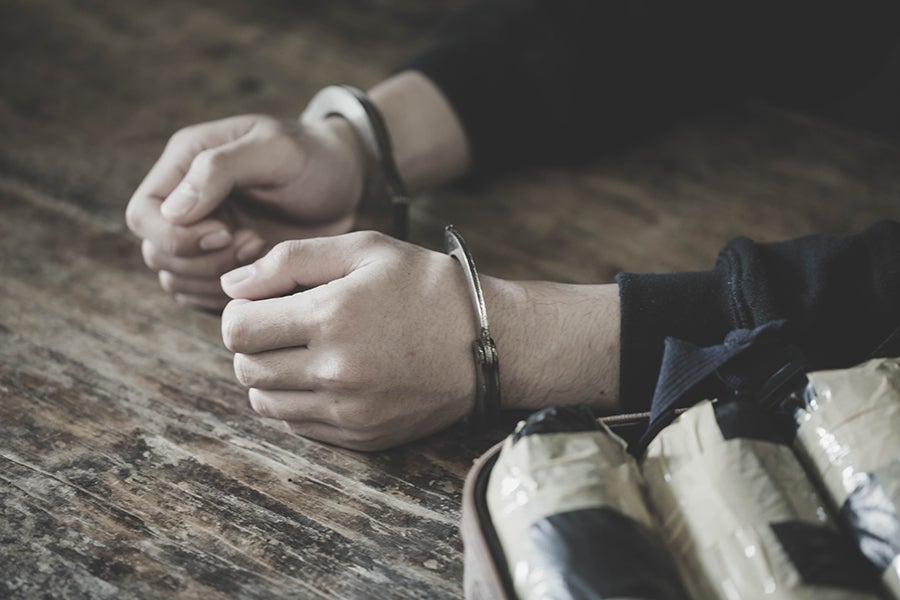
After a drug arrest, the first stop is typically the local jail or detention facility for booking. During this process, law enforcement records personal information, takes fingerprints and photographs, and documents the specific charges filed against the individual. Personal property is usually collected and inventoried at this stage as well.
Once booking is complete, a decision is made about release. Depending on the circumstances, some individuals are released on their own recognizance, while others may need to post bond before leaving custody. Procedures can vary depending on the county, the severity of the charges, and whether the individual has any outstanding warrants or prior criminal history. Because every case is different, it's difficult to predict exactly how long booking will take or what conditions may apply until the specific facts of the case are known.
Court Process
Step 2: First Appearance And Arraignment In North Carolina
First Appearance
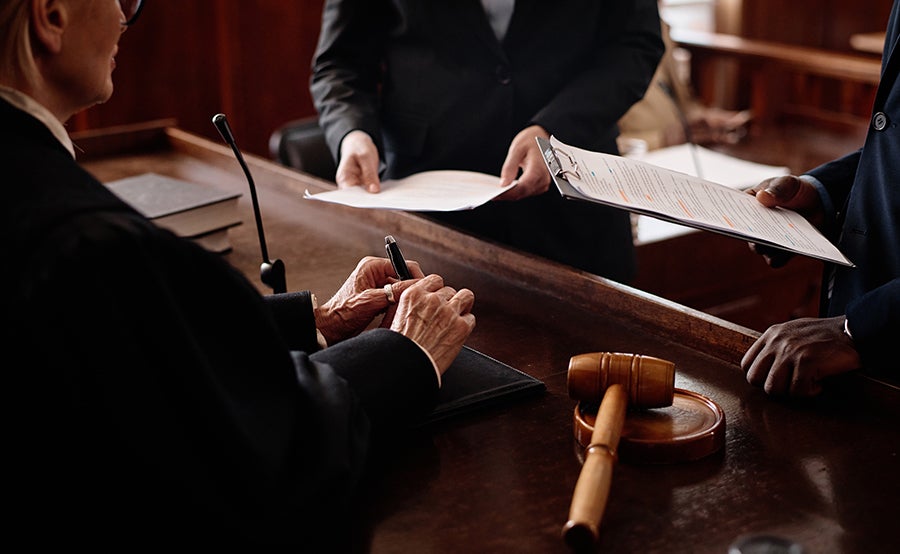
For individuals who remain in custody, a first appearance before a magistrate or judge typically occurs within 24 to 96 hours of arrest, though timing can shift based on when courts are in session and how busy the local docket is. This hearing is generally brief. Its purpose is to inform the defendant of the charges, confirm bond conditions, and advise the defendant of their constitutional rights, including the right to legal counsel.
Arraignment
Arraignment is a separate step where the charges are formally addressed, and the defendant is asked to enter a plea. This hearing gives the defendant an opportunity to fully understand the allegations before moving forward. In many North Carolina drug cases, particularly at the district court level, formal arraignment may be brief or combined with other early proceedings.
The exact timeline for these hearings depends on several factors, including the county where the arrest occurred, the defendant's custody status, and the overall court schedule. A drug charges lawyer can help clients understand what to expect based on the jurisdiction handling their case.
Bond And Bail
Step 3: Bond And Bail After A Drug Arrest
One of the first questions many people ask is whether they can be released while their case moves forward. In North Carolina, bond decisions are typically made by a magistrate or judge shortly after arrest, and eligibility depends on the specific circumstances surrounding the charge.
Several factors may influence how a bond amount is set, including:
- Severity of the charges – Trafficking charges are often treated more seriously than simple possession.
- Criminal history – Prior convictions or pending charges may affect bond decisions.
- Flight risk – Ties to the community and history of court appearances play a role.
- Community ties – Employment, family, and residency stability may be considered.
- Public safety concerns – Courts may weigh whether release poses a risk to others.
Can I get bond after a drug arrest? In most cases, yes—bond is available for the majority of drug-related charges in North Carolina. However, whether bond is granted, and at what amount, depends on the specific circumstances of the arrest and the individual's background. A drug crime attorney can often assist in requesting a bond reduction if the initial amount seems excessive given the situation.
Evidence Review
Step 4: Discovery, Evidence Review, And Pretrial Hearings
Once a case moves past the initial court appearances, both sides begin the discovery process. Discovery is the exchange of information and evidence between the prosecution and the defense. This typically includes police reports, lab results, witness statements, and any physical evidence collected during the arrest.
During this stage, a drug charges lawyer may closely evaluate several aspects of the case, including:
- Whether search and seizure procedures followed constitutional requirements.
- How evidence was handled and stored after collection.
- Whether arrest procedures were properly followed.
- Potential defenses based on the specific facts of the case.
Pretrial hearings and motions may also occur during this period. These hearings allow attorneys to raise legal issues, such as motions to suppress evidence obtained improperly, before the case proceeds any further. This is often one of the most important phases of drug charges defense, since issues identified during discovery can significantly shape the direction of a case.

Possible Outcomes
Step 5: Plea Negotiations And Possible Resolutions
Many criminal cases, including drug charges, resolve before ever reaching trial. During this stage, prosecutors and defense attorneys may discuss potential resolutions based on the evidence, the defendant's history, and the specific circumstances of the case.
Possible outcomes discussed during this phase can include:
- Reduced charges based on the strength of the evidence.
- Alternative sentencing options, such as diversion programs where available.
- Dismissal considerations when appropriate given the facts.
- Formal plea agreements between the prosecution and defense.
It's important to understand that outcomes vary widely from case to case, and no attorney can promise a specific result. A drug crime attorney can help evaluate the available options and explain what may realistically apply given the details of the arrest and charges.
Trial And Sentencing
Step 6: Trial And Sentencing
Trial
If a case is not resolved through a plea agreement, it proceeds to trial. During trial, the prosecution presents evidence intended to prove the charges beyond a reasonable doubt. This may include witness testimony, physical evidence, and expert analysis. The defense has the opportunity to challenge this evidence and present its own case. Depending on the circumstances, the case may be decided by a judge or a jury.
Sentencing
If a defendant is convicted or enters a plea, sentencing follows. North Carolina judges consider several factors during sentencing, including the severity of the offense, the defendant's prior criminal record, and any mitigating or aggravating circumstances specific to the case. Sentencing consequences vary considerably depending on these factors, and outcomes depend entirely on the charges and circumstances involved.
State And Federal Charges
North Carolina State Vs. Federal Drug Cases
State Drug Charges
Most drug cases in North Carolina are prosecuted under state law and move through the state court system. These cases follow North Carolina's criminal procedure, including the steps outlined above, from booking through sentencing.
Federal Drug Charges
Federal drug charges involve a different set of procedures and are typically prosecuted by agencies such as the DEA or FBI in federal court rather than state court. Federal cases often involve larger quantities of controlled substances, allegations of interstate trafficking, or connections to broader investigations. Federal penalties and sentencing guidelines can differ substantially from state-level consequences, and the overall process may move differently than a typical state case.
Because the legal strategy depends heavily on where charges are filed, it's important to understand early on whether a case is being handled at the state or federal level. A drug crime attorney can help clarify which system applies and what that means for the case moving forward.
Drug Case Timeline
How Long Does A Drug Case Take In North Carolina?
Timelines for drug cases vary considerably based on the complexity of the charges and the local court's schedule. In general:
- A first appearance may happen within days of the arrest, particularly for those held in custody.
- Pretrial proceedings, including discovery and motions, may take several weeks to several months depending on the complexity of the evidence involved.
- Cases involving extensive evidence, multiple charges, or federal involvement may take considerably longer to resolve.
While it's natural to want a firm timeline, every case moves at its own pace. A drug charges lawyer familiar with local courts can offer a more realistic estimate once the specific details of a case are known.
Frequently Asked Questions
Whether jail time results from a drug arrest depends on several factors, including the specific charges, the defendant's criminal history, bond decisions, and the underlying facts of the case. Simple possession charges are often treated differently than trafficking or distribution charges. An attorney can help evaluate the case and outline potential outcomes based on these details.
In most situations, bond is available after a drug arrest in North Carolina. Factors such as the severity of the offense, prior criminal record, community ties, and perceived flight risk all play a role in the bond decision made by the magistrate or judge.
Case timelines vary widely. Some cases resolve within a few months, while others—particularly those involving complex evidence or federal charges—can take considerably longer. Court schedules, case complexity, and the county where charges are filed all affect the timeline.
Following an arrest, it's important to:
- Keep all paperwork related to the arrest, charges, and court dates.
- Avoid discussing the details of the case publicly or on social media.
- Follow all court requirements, including appearance dates and bond conditions.
- Seek legal guidance as soon as possible to understand your options.
While it's possible to navigate the court system without legal representation, a drug crime attorney can help individuals understand the charges against them, evaluate potential defenses, and clarify the options available depending on the specific circumstances of the case. Legal guidance can make a complicated process easier to understand from start to finish.
Drug Defense
Drug Charge Defense Throughout North Carolina
Frasier & Griffin assists clients facing drug-related charges throughout North Carolina, with offices conveniently located to serve the region:
Raleigh Office
4400 Falls of Neuse Road, Suite 102
Raleigh, NC 27609
Durham Office
100 East Parrish Street, Suite 350
Durham, NC 27701
Whether you're located in Raleigh, NC, Durham, NC, or elsewhere in the state, our team is positioned to provide guidance on drug possession charges, trafficking allegations, and federal drug charges alike.
Contact
Contact Frasier & Griffin About Your Drug Charge
If you or a loved one has been arrested for a drug charge in North Carolina, understanding your next steps is important. The period following an arrest can feel overwhelming, but you don't have to sort through it alone. A drug charges lawyer at Frasier & Griffin can review the details of your situation and help explain the options that may be available given the specific facts of your case.
Don't wait to get answers about your case. Call 919-205-2258 or contact our firm to schedule a consultation and discuss what happens next.
We're Here For You
Need help? Speak with our legal experts today!
CONTACT US