Criminal Defense
Wake County DWI FAQ: What Happens After A DWI Arrest?
Being arrested for DWI in Wake County can leave you with more questions than answers. What happens next? Do you need to go to court right away? Will you lose your license? These are natural concerns, and understanding the process can help you make informed decisions during a stressful time. Frasier & Griffin helps individuals throughout Wake County who are facing DWI charges understand what to expect and what steps to take next.
This page walks through the general DWI process in Wake County, from arrest to first appearance, and answers common questions our clients ask. Your circumstances may vary, and the information here is general in nature, but it is a starting point for understanding your situation.
Call 919-205-2258 to schedule a consultation, or continue reading to learn more about the Wake County DWI process.
Schedule A Consultation
DWI Process
What Happens After A DWI Arrest In Wake County?
After a DWI arrest in Wake County, several things typically happen in a short period of time. First, you'll go through booking and processing, which may include a breath or blood test, fingerprinting, and a temporary hold until you're eligible for release. Depending on the circumstances, you may be released on your own recognizance, with a secured or unsecured bond, or under conditions set by a magistrate.
Once released, you should receive paperwork outlining your court date and any conditions tied to your release. It's important to hold onto every document you're given because these papers often contain deadlines that matter later in the process.
The steps that follow depend on the circumstances of your arrest, including your blood alcohol concentration, whether this is a first offense, and whether any aggravating factors were present. This is often when people start looking for a DWI attorney who can help explain what the paperwork means and what to expect moving forward. A DWI lawyer familiar with Wake County courts can also help you understand which deadlines are time-sensitive, including the window to request an administrative hearing regarding your license.
For a deeper look at how our firm approaches these cases, visit our page on DWI defense services.
First Appearance
Where Do DWI First Appearances Take Place In Wake County?
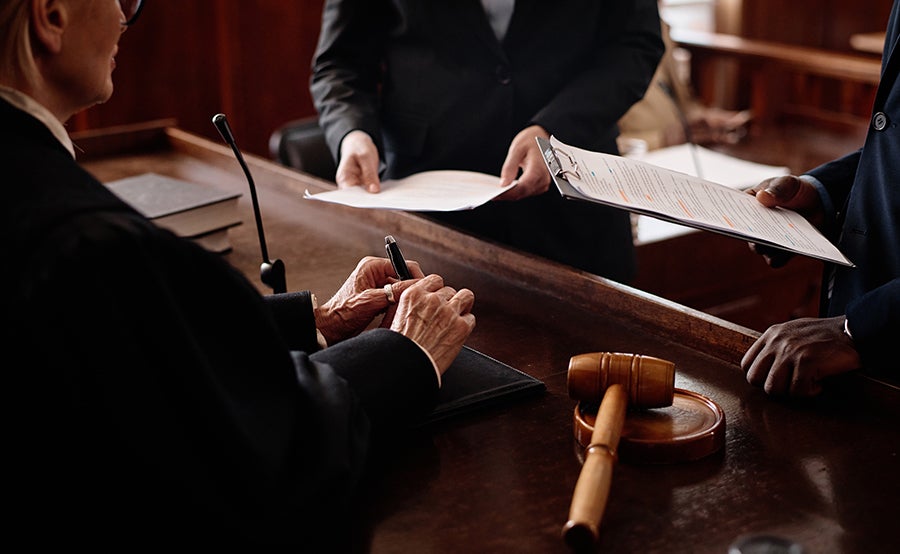
A first appearance is typically your initial encounter with the court system after a DWI arrest. In Wake County, these hearings are generally held at the Wake County courthouse in Raleigh, though the exact location and scheduling can depend on how and when you were processed.
At a first appearance, the judge will generally confirm your identity, review the charges against you, and address any conditions of your release. This hearing is usually brief and is not the point where your case is decided. Instead, it's a procedural step that sets the stage for what comes next, including scheduling future court dates.
If you're unfamiliar with how Wake County courts operate, this process can feel confusing. An attorney can attend this hearing with you or on your behalf, depending on the circumstances, and help make sure you understand what's happening and what's expected of you going forward.
Court Timeline
How Long Does The DWI Court Process Take In Wake County?
There's no single timeline that applies to every DWI case. Generally speaking, the process includes an initial court appearance, a pretrial period during which evidence is reviewed and potential motions are filed, and then either a resolution through negotiation or a trial.
Some cases resolve in a matter of months. Others take longer, particularly if there are disputes over evidence, scheduling conflicts, or additional hearings required.
Factors that can affect the timeline include:
- The complexity of the evidence involved
- Court scheduling and availability
- Whether pretrial motions are filed
- Whether the case proceeds to trial or is resolved beforehand
Because timelines vary depending on the facts of the case, court schedules, and the legal issues involved, it's difficult to predict exactly how long any individual case will take. An attorney monitoring your case can help you stay informed as it progresses.
Driver’s License
What Is An ALS Hearing And How Do I Request One?
One of the most time-sensitive aspects of a DWI arrest involves your driver's license. In North Carolina, a DWI arrest can trigger an Administrative License Suspension (ALS), which is separate from the criminal court process. This means your license can be affected through a DMV administrative action even before your criminal case is resolved.
Because the ALS process and the criminal court process operate independently, it's possible to face consequences in both areas. Requesting an ALS hearing may be an important step if you want to challenge the suspension or better understand your options regarding driving privileges.
There are strict deadlines involved in requesting an ALS hearing, and missing that window can limit your options. This is one of the reasons many people reach out to a DWI lawyer as soon as possible after an arrest. Understanding these requirements early can make a meaningful difference in how the situation unfolds.
Next Steps
What Should I Do Immediately After A DWI Arrest?
If you've recently been arrested for DWI in Wake County, here are some practical steps to consider:
- Keep all paperwork received after the arrest in a safe, accessible place
- Note important dates and deadlines, including your first court appearance
- Avoid discussing the details of your case publicly or on social media
- Follow all conditions tied to your release
- Gather any documents related to the arrest, including citations and receipts
- Speak with a DWI attorney about the options that may apply to your situation
Taking these steps early can help you stay organized and prepared as your case moves forward.
Legal Guidance
How Can A DWI Attorney Help With A Wake County Case?
A DWI attorney can assist in several ways as your case progresses. This typically includes reviewing the circumstances of your arrest, examining the evidence collected by law enforcement, and helping you understand what defenses may apply based on the specific facts of your case.
Beyond the courtroom, an attorney can also help you understand DMV-related issues, including how the ALS process interacts with your criminal case. Having someone familiar with Wake County court procedures means you don't have to navigate scheduling, paperwork, and legal terminology on your own.
At Frasier & Griffin, our approach involves guiding clients through each stage of the process, from the first appearance through resolution, so you understand what's happening and why. Learn more about our DWI defense services and how we approach these cases.
Location
Serving DWI Clients In Wake County, Raleigh, And Surrounding Areas
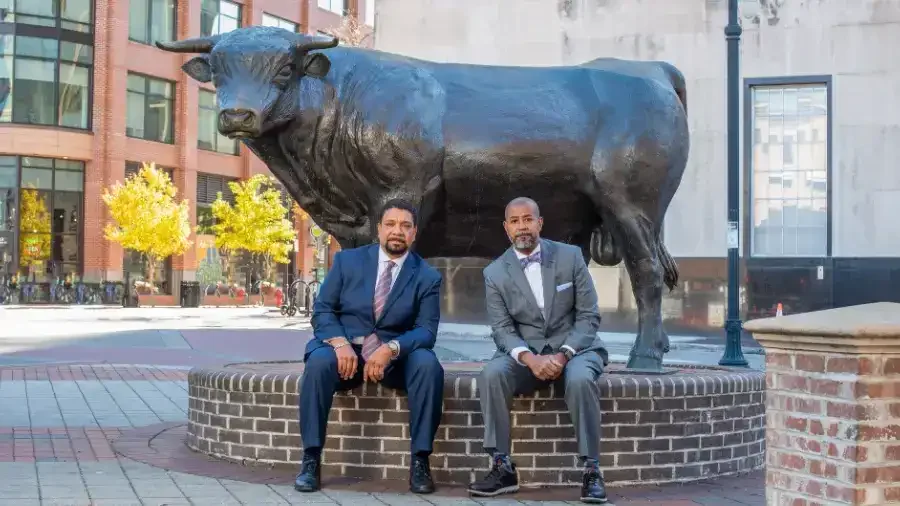
Frasier & Griffin assists clients navigating DWI charges throughout Wake County and the surrounding region, including Raleigh, NC. Our Raleigh office is located at 4400 Falls of Neuse Road, Suite 102, making it accessible for clients throughout the area. We also maintain an office in Durham, NC, at 100 East Parrish Street, Suite 350, allowing us to serve clients across both Wake and Durham Counties.
Wherever you're located within the region, our team is positioned to help you understand the DWI process and work through the steps ahead.
Contact
Facing A DWI Charge In Wake County? Let's Talk.
If you are facing a DWI charge in Wake County, understanding your rights and next steps is important. The period right after an arrest can feel overwhelming, but you don't have to figure it out on your own. Contact Frasier & Griffin to discuss your situation and learn how our team can assist you through the process, from your first appearance through resolution of your case.
Call 919-205-2258 or contact our firm online to schedule a consultation.
Frequently Asked Questions About Wake County DWI Cases
Keep track of all paperwork, note your court date and any other deadlines, and consider speaking with a DWI lawyer as soon as possible. Early guidance can help you understand your options and avoid missing important windows for action, such as requesting an ALS hearing.
Yes, it's possible. Administrative consequences through the DMV and criminal consequences through the court system may both apply, and they operate somewhat independently of one another. This is why understanding the ALS process matters, in addition to the criminal case itself.
Contacting a DWI lawyer soon after an arrest can help protect important rights and deadlines, particularly regarding the ALS hearing request window. Early guidance can also help you understand what to expect at each stage of the process.
Court appearance requirements depend on your specific case and the instructions provided by the court. Some hearings may allow for attorney representation, while others may require your presence. Reviewing your paperwork carefully or speaking with an attorney can clarify what's required in your situation.
Possible defenses depend on the evidence, the procedures followed by law enforcement, and the specific circumstances of the arrest. An attorney can review your case to help you understand your options, though outcomes vary and cannot be guaranteed.
We're Here For You
Need Help? Speak With Our Legal Team Today!
CONTACT US